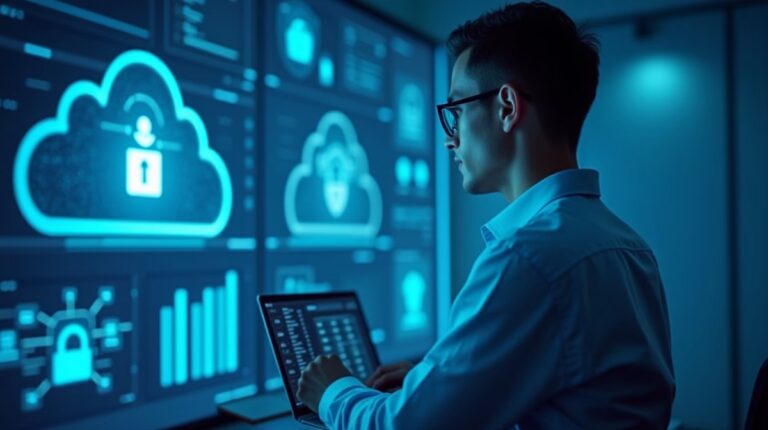
How can I access my accounting software remotely
Valentina, a Reno-based bakery owner, lost access to her critical financial data when a burst pipe flooded her office server room. The immediate cost? Over $12,000 in water damage, lost productivity, and a frantic scramble to reconstruct data from outdated backups. But the real cost was the disruption to her business—missed payroll, delayed vendor payments, and a crisis of confidence with her team. This situation isn’t unique; it highlights a crucial vulnerability many businesses face when relying on on-premise software. Let’s explore how you can avoid this scenario by securely accessing your accounting software remotely.
Why Remote Access to Accounting Software is Essential
For years, accounting software was chained to the physical location of your server. This meant access was limited to those on-site, creating bottlenecks and hindering agility. Today, remote access is no longer a convenience; it’s a business necessity. It enables seamless collaboration, supports flexible work arrangements, and – critically – provides a robust disaster recovery solution. But simply ‘getting access’ isn’t enough. It needs to be secure, reliable, and compliant.
Understanding Your Options for Remote Access
You have several paths to achieve remote access, each with its own advantages and drawbacks. Here’s a breakdown:
- Virtual Private Network (VPN): A VPN creates an encrypted tunnel between your device and your company network. This is a long-established method, offering a relatively secure connection. However, VPNs can be complex to set up and maintain, requiring dedicated IT expertise. Performance can also degrade with increased user load.
- Remote Desktop Protocol (RDP): RDP allows you to control a computer on your network as if you were sitting in front of it. It’s powerful but inherently less secure than a VPN if not properly configured, making it a prime target for cyberattacks. Careful firewall rules and strong authentication are crucial.
- Cloud-Based Accounting Software: Solutions like QuickBooks Online, Xero, and NetSuite are designed for remote access from the start. Data is stored and processed in the cloud, eliminating the need for on-premise servers and reducing the IT overhead. This is often the most streamlined and secure option.
- Web-Based Access via Application Server: Some on-premise accounting systems offer web-based interfaces hosted on an application server within your network. This allows access through a web browser without the need for VPN or RDP. However, security remains paramount, and the application server needs to be properly secured and patched.
Securing Remote Access: A Multi-Layered Approach
Remote access opens doors for cybercriminals if security isn’t prioritized. Here’s how to protect your accounting data:
- Strong Authentication: Implement multi-factor authentication (MFA) for all remote access methods. This adds an extra layer of security beyond just a password. Consider biometric authentication for enhanced protection.
- Firewall Configuration: Configure your firewall to restrict access to only authorized IP addresses and ports. Regularly review and update firewall rules.
- Encryption: Ensure all data transmitted remotely is encrypted using strong encryption protocols (e.g., TLS/SSL).
- Regular Software Updates: Keep your operating systems, accounting software, and security software up to date with the latest patches to address known vulnerabilities.
- Access Control: Grant users only the minimum necessary access permissions. Implement role-based access control to limit what each user can see and do.
Beyond IT: The Cybersecurity Advantage
As a cybersecurity and managed IT practitioner with over 16 years of experience, I’ve seen firsthand that secure remote access isn’t just about technology. It’s about minimizing risk to your entire business. A breach of accounting data can lead to financial loss, reputational damage, and legal liabilities. A proactive cybersecurity approach, including regular vulnerability assessments and penetration testing, can identify and address weaknesses before they are exploited. We don’t just maintain your IT; we safeguard your financial future.
Finally, consider compliance with Nevada regulations. If your managed IT service involves collecting consumer data, you must comply with Nevada SB 220 (NRS 603A.340), providing consumers the right to opt-out of the sale of their personal information. Furthermore, maintaining “reasonable security measures” as mandated by NRS 603A.215 is critical when dealing with sensitive financial data.
To explore related concepts and strategies, check out these resources:
| Key Topic | Common Question |
|---|---|
| Continuity | What types of insurance tie into business continuity planning? |
| Strategy | What role does cybersecurity play in IT consulting? |
Is your current backup plan “insurance-ready”?
Insurance policies often deny claims if “reasonable security measures” (NRS 603A) weren’t in place before the disaster. Don’t guess. Let our Reno-based team audit your disaster recovery plan to ensure you are fully compliant and recoverable.
Schedule Your Continuity Gap Analysis »
✔ No obligation. 100% Local.
About Scott Morris and Reno Cyber IT Solutions LLC.
Visit Reno Cyber IT Solutions LLC.:
Address:

500 Ryland St 200
Reno, NV 89502
(775) 737-4400
Hours: Open 24 Hours
5.0/5.0 Stars (Based on 22 Client Reviews)