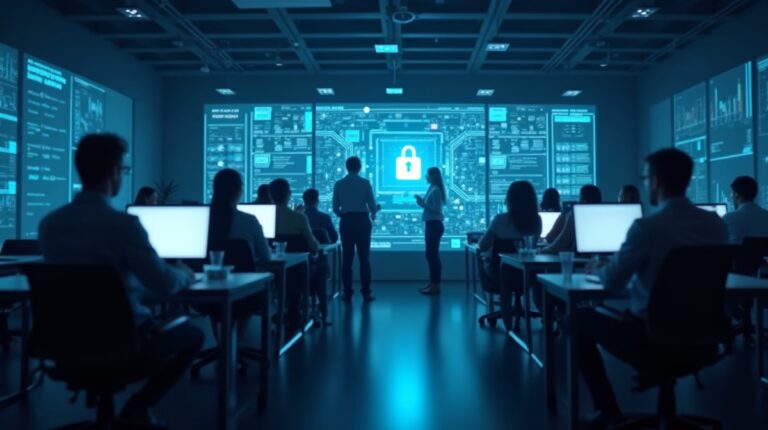
How do I ensure my supply chain is secure
Bodhi, the owner of a local Reno manufacturing firm, lost $380,000 when a compromised supplier shipped him counterfeit components. The parts failed during critical testing, halting production and jeopardizing a major contract. This isn’t a theoretical risk; supply chain attacks are increasing in both frequency and sophistication. A seemingly secure network within your four walls means nothing if a vendor’s vulnerabilities become your own. For over 16 years, I’ve helped businesses in the Reno area and beyond understand that true cybersecurity extends far beyond firewalls – it’s about proactively protecting your entire ecosystem.
What Are the Biggest Risks to Supply Chain Security?
The modern supply chain is a complex web of interconnected organizations, making it a prime target for malicious actors. Understanding the threats is the first step toward mitigation. Strong vendors: are essential, but simply checking a box isn’t enough. Here’s a breakdown of the most common risks:
- Third-Party Vulnerabilities: This is the most prevalent threat. Attackers target vendors with weaker security postures to gain access to their clients – you.
- Counterfeit Components: As Bodhi discovered, fake parts can infiltrate the supply chain, leading to product failures, financial losses, and reputational damage.
- Data Breaches: Sensitive data, including customer information and intellectual property, can be compromised through a vulnerable supplier.
- Ransomware Attacks: A supplier hit by ransomware can disrupt your operations, leading to downtime and financial losses.
- Insider Threats: Disgruntled or compromised employees within a supplier’s organization can intentionally sabotage the supply chain.
What Steps Can I Take to Assess My Supply Chain Risk?
A robust assessment is the foundation of a secure supply chain. Don’t treat this as a one-time event; it’s an ongoing process.
- Identify Critical Suppliers: Focus on the vendors that are most vital to your operations and handle sensitive data.
- Conduct Risk Assessments: Evaluate each critical supplier’s security practices, including their policies, procedures, and technical controls. Look beyond self-attestations; request documentation and evidence.
- Map Your Supply Chain: Gain visibility into the entire chain, from tier-one suppliers to sub-tier suppliers. This helps identify potential weaknesses.
- Implement a Vendor Risk Management (VRM) Program: Establish a formal process for onboarding, monitoring, and offboarding suppliers based on their risk profiles.
- Regularly Monitor Suppliers: Continuously monitor suppliers for security threats and vulnerabilities, using threat intelligence feeds and security ratings services.
How Can I Improve Supply Chain Security Practices?
Once you’ve assessed your risks, you can implement measures to improve security. Collaboration is key; it’s not about dictating terms to your suppliers, but about working with them to enhance their security posture.
- Establish Security Requirements: Clearly communicate your security expectations to suppliers, outlining minimum security standards and requiring compliance.
- Contractual Agreements: Include security clauses in your contracts, outlining responsibilities, incident response procedures, and data protection requirements.
- Security Audits: Conduct regular security audits of critical suppliers, either through internal audits or third-party assessments.
- Data Encryption: Require suppliers to encrypt sensitive data both in transit and at rest.
- Multi-Factor Authentication (MFA): Enforce MFA for all supplier access to your systems and data.
What Role Does Technology Play in Supply Chain Security?
Technology can significantly enhance your ability to monitor and manage supply chain risks.
Several tools are available, including Security Information and Event Management (SIEM) systems, threat intelligence platforms, and VRM solutions. These tools can automate risk assessments, monitor supplier security posture, and detect potential threats. However, technology is only part of the solution; it must be combined with robust policies and procedures.
Furthermore, consider implementing blockchain technology for increased transparency and traceability within your supply chain. While not a silver bullet, blockchain can help verify the authenticity of goods and track their movement from origin to delivery. Remember that while a technology solution can provide insight, it doesn’t replace due diligence.
Finally, in Nevada, remember that if your Managed IT Service involves collecting consumer data through supply chain analytics, you must comply with Nevada SB 220 (NRS 603A.340) by providing a designated request address for consumers to opt-out of the sale of their personal information. Additionally, NRS 603A.215 requires reasonable security measures to protect this collected data.
To discover more about these topics, check out these resources:
- How do I get started with IT consulting for my company?
- What’s the first step in migrating to the cloud?
- Can I build a roadmap that supports hybrid or remote teams?
Is your current backup plan “insurance-ready”?
Insurance policies often deny claims if “reasonable security measures” (NRS 603A) weren’t in place before the disaster. Don’t guess. Let our Reno-based team audit your disaster recovery plan to ensure you are fully compliant and recoverable.
Schedule Your Continuity Gap Analysis »
✔ No obligation. 100% Local.
About Scott Morris and Reno Cyber IT Solutions LLC.
Visit Reno Cyber IT Solutions LLC.:
Address:

500 Ryland St 200
Reno, NV 89502
(775) 737-4400
Hours: Open 24 Hours
5.0/5.0 Stars (Based on 22 Client Reviews)